Class 4 is the highest impact-resistance classification in the UL 2218 test for prepared roof coverings. It is useful when comparing replacement materials, but it is not a promise that a roof will never show hail damage.
What the Class 4 test measures
UL 2218 evaluates whether a prepared roofing sample cracks, splits, tears, or otherwise fails after controlled impacts. A Class 4 result means the tested product met the requirements at the highest level of that laboratory method.
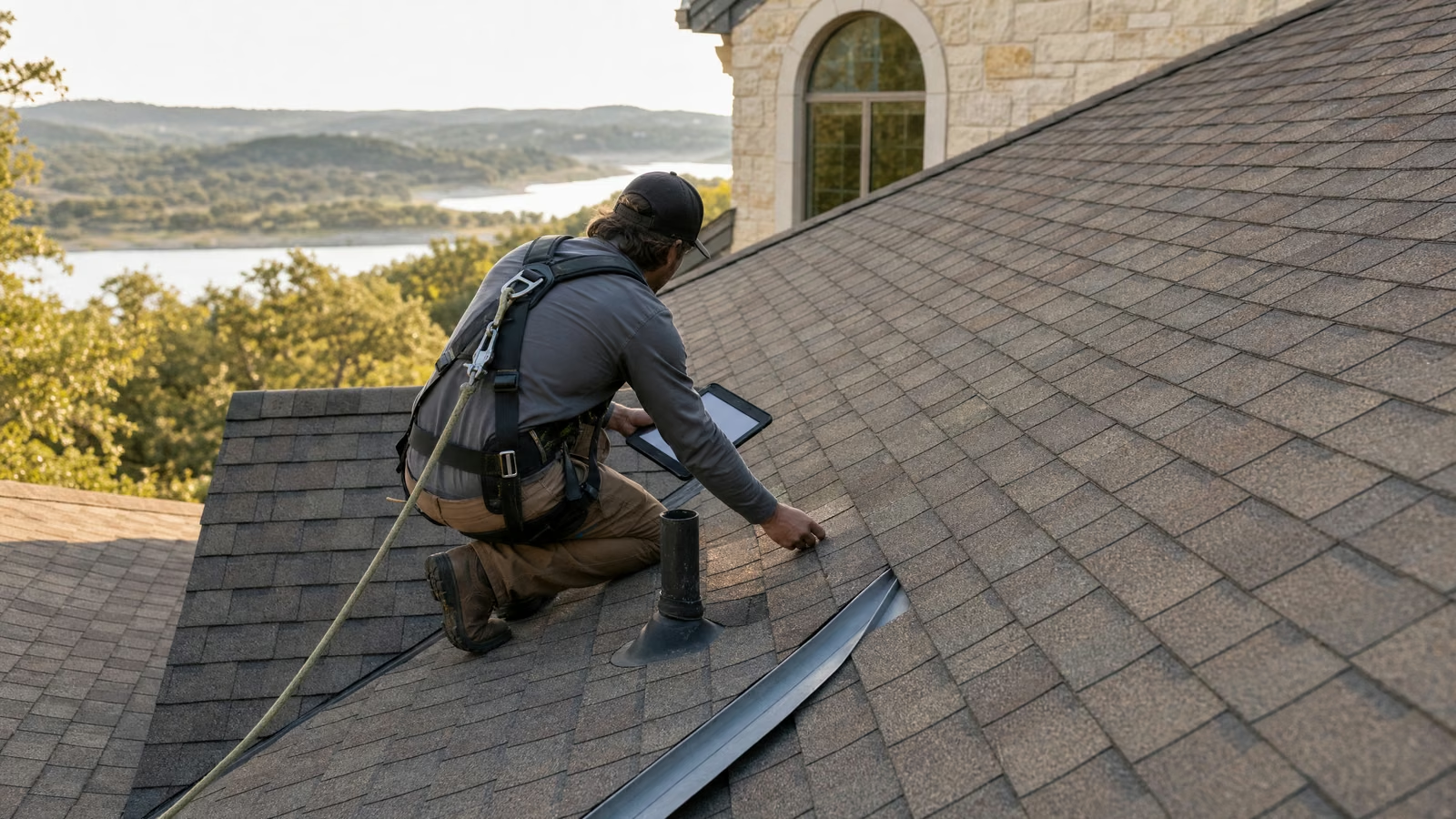
The result belongs to the tested product and assembly. A field-installed roof also depends on deck condition, underlayment, flashing, ventilation, fastening, roof geometry, workmanship, age, and maintenance.
What the rating does not guarantee
- It does not make a roof hail-proof.
- It does not prevent every cosmetic mark, dent, or area of granule loss.
- It does not guarantee an insurance discount or a particular policy term.
- It does not replace correct installation, flashing, ventilation, drainage, or maintenance.
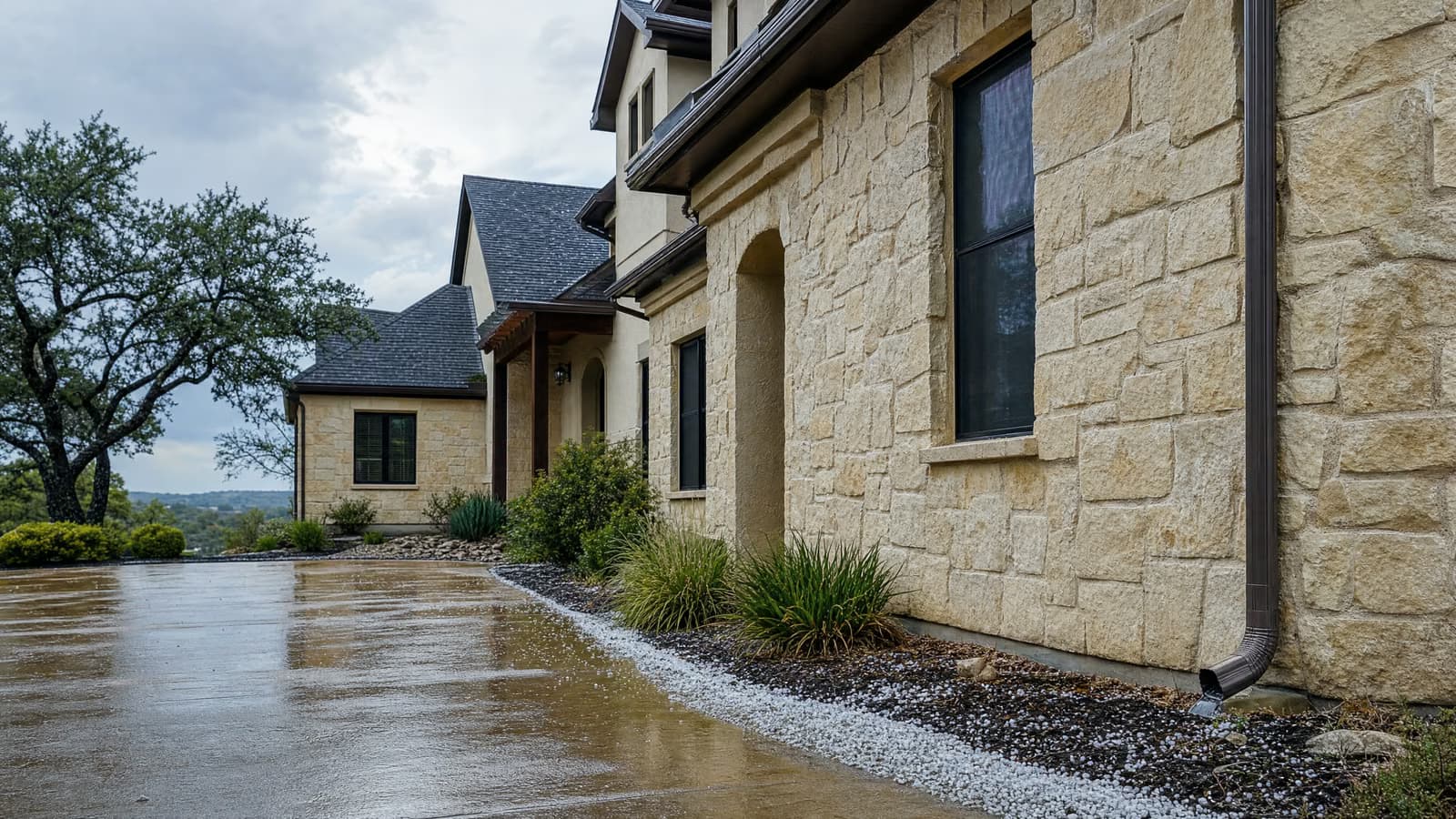
Hail varies in size, shape, density, speed, wind direction, and number of impacts. Temperature and the age of the roof can also change how a material responds. Vents, flashing, ridge material, gutters, and other roof components may show a different result than the field shingles.
How a homeowner can compare Class 4 options
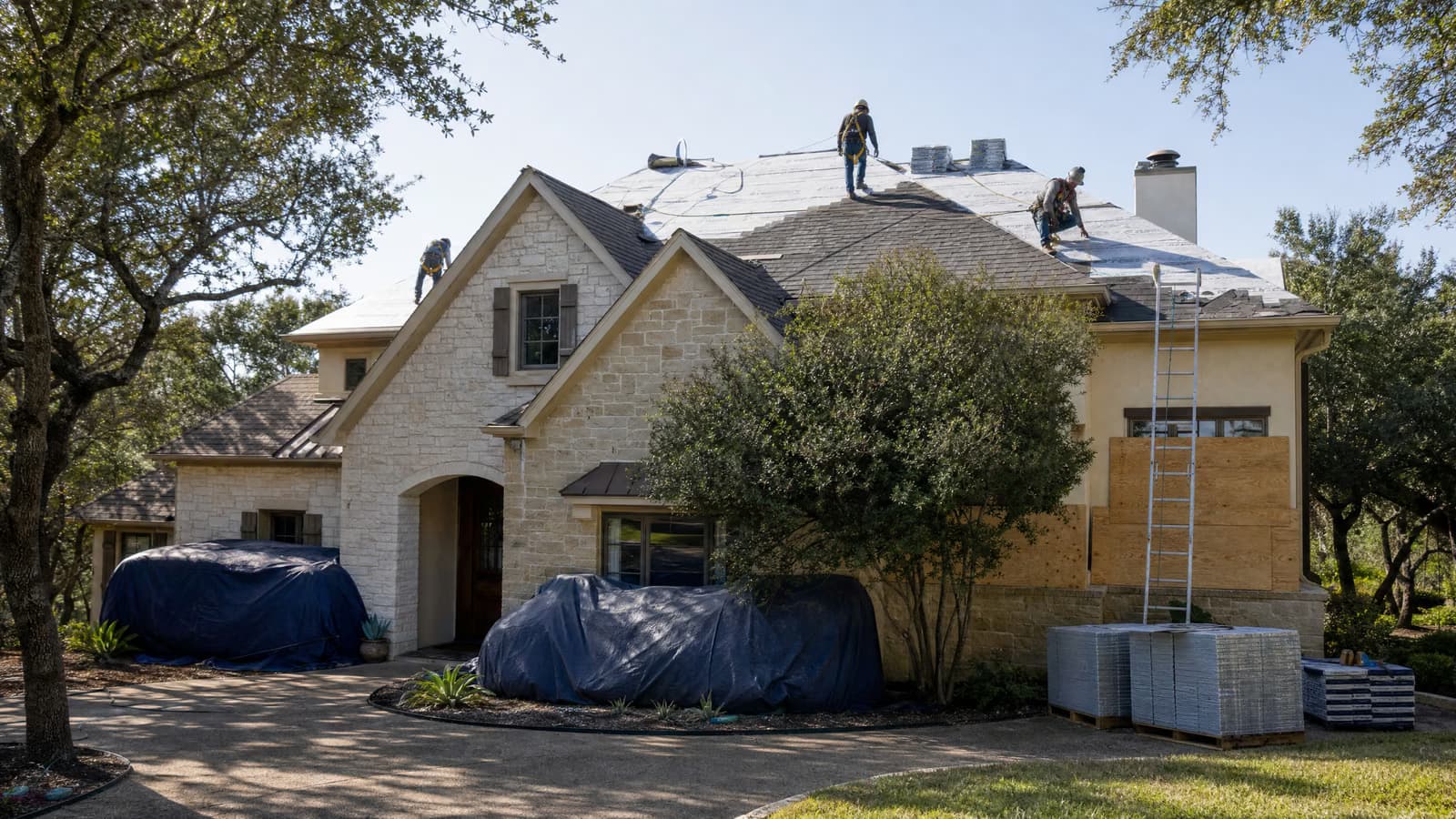
First determine whether replacement is appropriate. If the existing roof can be repaired reliably, a material upgrade may not be the immediate decision. When replacement is justified, compare the exact product data, installed scope, appearance, impact classification, wind requirements, underlayment, flashing, ventilation, and known deck allowances.
Ask whether the quoted system includes compatible starter, hip and ridge material, edge details, penetrations, and ventilation. A roof performs as an assembly, so one upgraded label cannot compensate for weak transitions or incomplete installation details.
Verify policy details with the carrier
Contact the insurance carrier before relying on a possible premium credit. Ask whether the exact product qualifies, what documentation is required, whether cosmetic damage is treated differently, and whether any credit can change at renewal. The carrier controls policy terms and eligibility.
Lakeway Roofing can identify roofing options and prepare a written construction scope. We do not interpret coverage, promise a discount, or act as a public adjuster.
What to do after a hailstorm
Do not climb a wet or steep roof. Note the storm date and safely photograph visible conditions such as displaced shingles, affected gutters, fallen limbs, or interior water. A professional inspection can document the roof surface and related components before you decide whether repair, replacement, or a conversation with your carrier is appropriate.
Compare roof replacement options, read the storm damage inspection guide, or schedule a free homeowner roof inspection.
Homeowner decision resources
Use the guide that matches your next decision
Each topic has one canonical guide with direct answers, practical checklists, technical sources, and links to the relevant service.
Technical sources
These references support the technical review. Roofing and policy decisions still depend on the specific property, product documentation, and current policy language.