
Lakeway Roofing

Lakeway Roofing | Greater Austin

Storm Damage Roof Help in Lakeway and Greater Austin

Hail, wind, debris, and heavy rain can affect roof coverings, flashing, vents, edges, gutters, and penetrations. Some conditions are visible from the ground, while others require safe roof and accessible attic review.

Call (512) 270-8084
Rated 5 stars on GoogleFamily owned | Insured | Written scopes
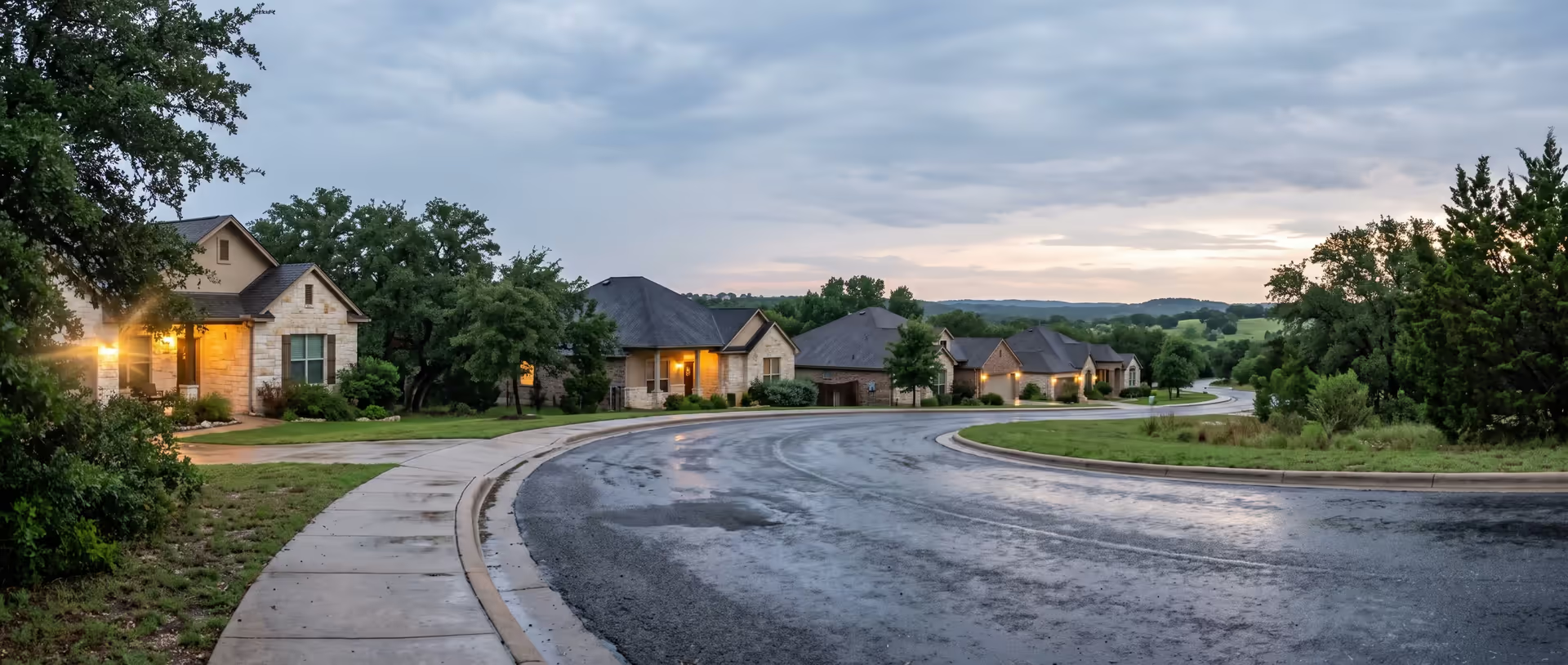
Lakeway home overlooking Lake Travis after changing weather
Photo-led assessmentClear next steps
InsuredCurrent certificate available
Free inspectionPhotos and practical options
Written scopeKnow what is proposed
FinancingAvailable for qualifying projects

Lakeway Roofing documents observed conditions with photos and explains whether a focused repair, temporary protection, replacement comparison, or no immediate roofing work is the practical next step.

The homeowner controls communication with the insurance carrier. Lakeway Roofing provides roofing observations and construction scopes, does not interpret coverage, and does not act as a public adjuster.

Quick, practical answers

Hail and wind damage questions for Central Texas homeowners

Start with the short answer, then use the full service guide to compare the details that apply to your property.

What should I do after hail or strong wind affects my area?

Prioritize safety, photograph visible conditions from the ground, protect the interior where it is safe, and arrange a roof inspection. Do not climb onto a wet or damaged roof, and verify policy questions directly with your carrier.

Use the post-storm homeowner checklist
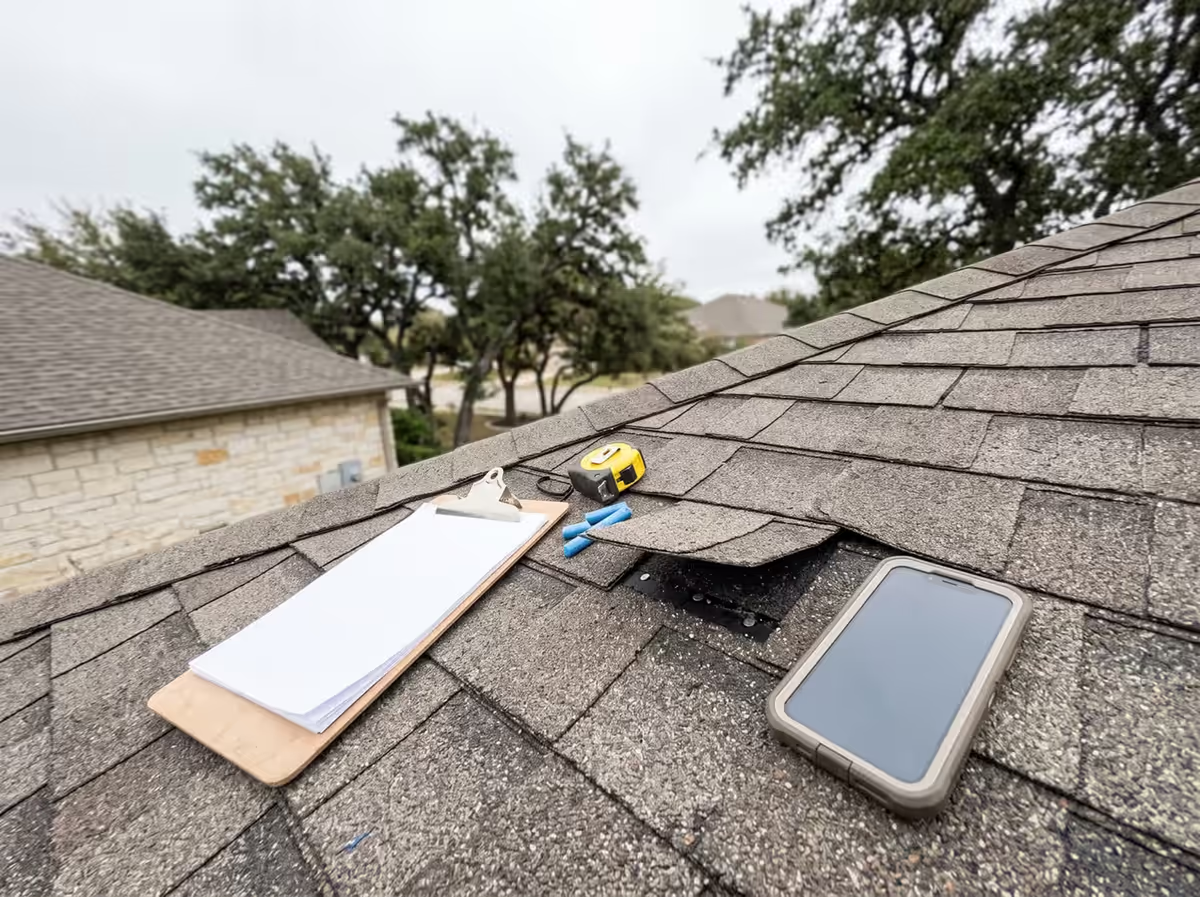

What does a storm roof inspection document?

It documents safely accessible roof surfaces, flashing, penetrations, edges, vents, drainage components, and relevant attic or interior indicators. The roofing scope explains observed construction needs without deciding insurance coverage.

Review the inspection scope

Does visible hail impact always mean the roof needs replacement?

No. The recommendation depends on the affected components, functional condition, repairability, surrounding materials, and extent of observed damage. Cosmetic marks and functional failures should not be treated as interchangeable.

Can a roofer decide whether my insurance claim is covered?

No. Lakeway Roofing can photograph observed roofing conditions and prepare a construction scope. The homeowner controls carrier communication, and the carrier determines policy coverage.

Start with evidence

What the inspection covers

We look beyond the most visible symptom so the recommendation reflects the roof system and the property around it.

Shingle, metal, tile, ridge, valley, and roof-edge conditions
Hail-facing soft metals such as vents, flashing, and gutters
Wind lifting, creasing, missing material, and exposed underlayment
Penetrations, skylights, chimneys, and wall transitions
Accessible attic and interior indicators of water entry
Dated photo documentation and a roofing scope when work is needed

Know when to call

Storm-related conditions to check safely

Stay on the ground and schedule an inspection when weather leaves a new roof or interior change.

01

Missing, lifted, creased, cracked, or displaced roofing

02

New dents or impact marks on vents, flashing, gutters, or metal details

03

Granules accumulating near downspouts after a storm

04

A new ceiling stain, damp attic area, or active drip

05

Fallen limbs, debris impact, or exposed underlayment

06

Loose edge metal, ridge material, or roof accessories

Compare the options

A practical decision guide

Lakeway Roofing documents observed roof conditions and prepares a roofing scope. The homeowner handles carrier decisions, and Lakeway Roofing does not act as a public adjuster.

Repair may address

  • A small wind-damaged area with serviceable surrounding material
  • A localized impact or debris strike
  • A discrete flashing, vent, or penetration failure
  • Temporary dry-in followed by a defined permanent repair

Replacement may need review

  • Functional damage appears across multiple slopes
  • Material cannot be matched or integrated reliably
  • Widespread damage combines with existing deterioration
  • Decking or underlayment damage extends beyond one area

Materials and systems

Storm observations and roofing work

The inspection separates ordinary aging, cosmetic observations, and conditions that affect the roof's ability to shed water.

Hail observations

We distinguish visible impact indicators from ordinary wear and document the roof components affected.

Wind damage

Lifted, creased, displaced, or missing material is assessed together with exposed underlayment and edge conditions.

Water entry

Roof and accessible attic evidence is traced so temporary protection and permanent work address the likely entry point.

Documentation

Photos and a written roofing scope help the homeowner understand the observed condition and discuss it with their carrier if they choose.

Asphalt shingle impact, displacement, creasing, and exposed layers
Metal panel, seam, fastener, coating, and flashing conditions
Tile breakage, displacement, underlayment access, and transitions
Vents, soft metals, gutters, ridge, valleys, and roof edges
Debris impact and accessible interior water indicators
Temporary water-shedding measures followed by permanent scope review

Homeowner decision resources

Use the guide that matches your next decision

Each topic has one canonical guide with direct answers, practical checklists, technical sources, and links to the relevant service.

From question to closeout

A roof-first storm inspection process

A documented inspection keeps each next step tied to what we can see, explain, and put in writing.

Inspection and documentation
  1. 01

    Make the area safe

    Avoid wet roofing, fallen lines, loose materials, and bulging or electrically affected interior areas.

  2. 02

    Inspect

    We review the roof surface, details, soft metals, drainage, and accessible attic or interior indicators.

  3. 03

    Document

    Dated photos and notes identify observed conditions without making policy or coverage decisions.

  4. 04

    Scope

    When work is needed, repair, temporary protection, or replacement options are put in writing.

  5. 05

    Homeowner decision

    The homeowner decides whether to authorize work or contact the carrier and remains responsible for policy conversations.

No-pressure first step

Get the roof checked before choosing the fix.

Start with photos, plain-language findings, and a written scope if work is recommended.

Call (512) 270-8084

Scope and pricing

Roofing documentation and insurance boundaries

Lakeway Roofing photographs observed conditions and can prepare a repair or replacement scope. The carrier decides coverage, policy interpretation, depreciation, payment, and claim handling.

Texas homeowners are responsible for paying their deductible. A contractor cannot waive, absorb, rebate, or promise to cover it. Verify current guidance with the Texas Department of Insurance and ask the carrier about the specific policy.

Homeowner guidance

Make the roof decision before the claim assumption

Not every mark means replacement

The storm pattern, material, age, installation, and affected component provide context. A roofing recommendation should explain what appears cosmetic, what may affect function, and what cannot be confirmed without further access.

The homeowner owns the carrier conversation

Lakeway Roofing can supply photos and a roofing scope. We do not negotiate policy rights, promise approval, determine coverage, or represent the homeowner as a public adjuster.

Use a safe documented sequence

Record visible conditions, protect the interior where safe, request a roof inspection, review the written findings, and then decide whether to contact the carrier. Follow the full Lakeway and Lake Travis hailstorm checklist.

Google5.0Google rating

Homeowners share the whole experience.

See what customers say about the inspection, communication, and the recommendation they received.

Read homeowner reviews

Bryan and his team are very professional. Bryan called me to let me know when his team would come out to inspect my roof, and called me again to let me know he had to postpone because of the rain. Rather be safe than sorry. When his team showed up and completed the inspection, he told me that my roof looks fine and there is no damage due to the recent hailstorm in our area. I appreciate him very much.

My V.Google review

Straight answers

Storm Damage Repair FAQs

These answers explain the decision factors. The property inspection supplies the final context.

That is the homeowner's decision. A roofing inspection can document observed conditions first, while the carrier remains the source for policy, timing, and coverage questions.

No. We can explain roofing conditions and provide a construction scope. The carrier determines coverage, and Lakeway Roofing does not act as a public adjuster.

Cosmetic observations affect appearance, while functional damage may affect water shedding or material integrity. The distinction depends on the product, assembly, observed condition, and policy language.

No. Texas law requires the policyholder to pay the deductible. Verify current consumer guidance with the Texas Department of Insurance.

Stay away from wet electrical areas and bulging ceilings, move belongings where safe, use containers for drips, and call for an assessment. Do not climb onto a wet roof.

Clear answers start here

Request your free homeowner roof inspection

Tell us what you are noticing. We will help you choose the practical next step.

Call (512) 270-8084