Lakeway Roofing

Lakeway Roofing | Greater Austin

Roof Replacement for Lakeway and Greater Austin Homes

Roof replacement is appropriate when the existing assembly can no longer accept a reliable repair or when broad deterioration, repeated leaks, or system-wide details need correction. Age provides context, but the physical condition of the roof should drive the recommendation.

Call (512) 270-8084
Rated 5 stars on GoogleFamily owned | Insured | Written scopes
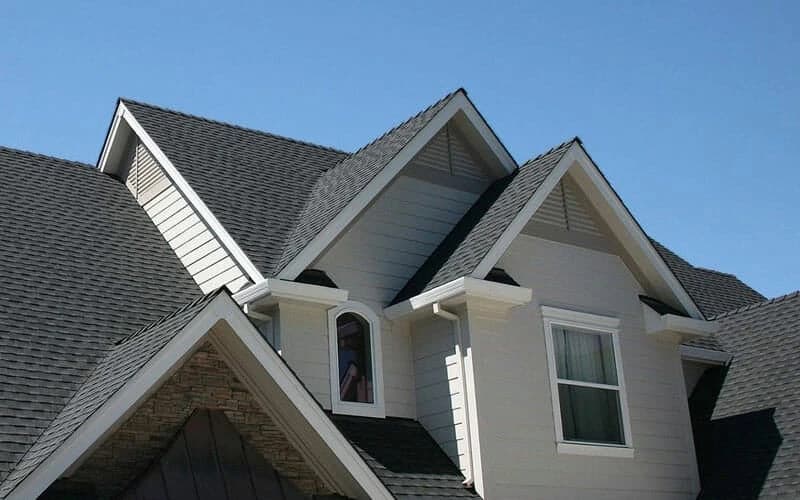
Completed architectural shingle roof on a Central Texas home
Photo-led assessmentClear next steps
InsuredCurrent certificate available
Free inspectionPhotos and practical options
Written scopeKnow what is proposed
FinancingAvailable for qualifying projects

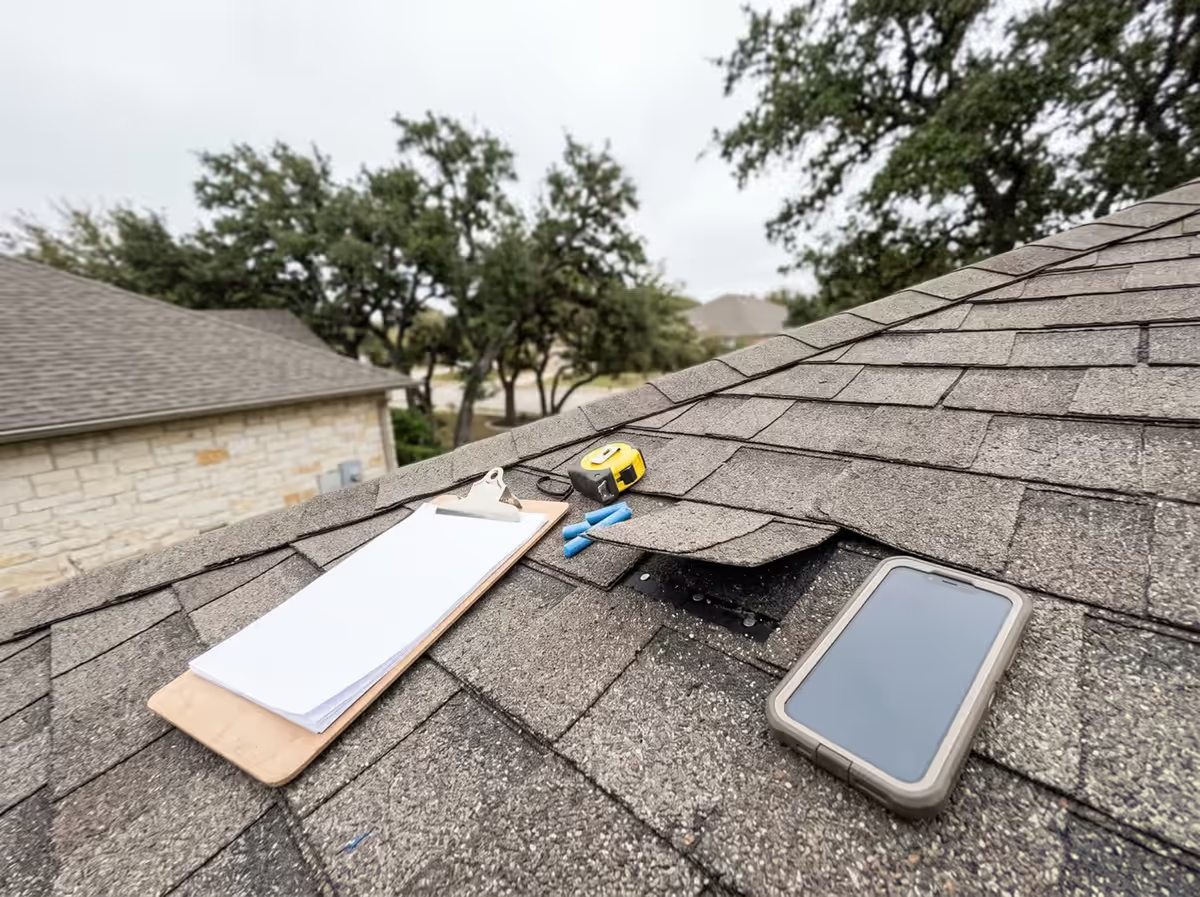
Lakeway Roofing evaluates the roof covering, flashing, ventilation, drainage, penetrations, accessible attic indicators, and known decking concerns before preparing a replacement scope.

The written comparison explains materials, tear-off, underlayment, flashing, ventilation, access, cleanup, known allowances, and how unexpected deck conditions will be approved.

Quick, practical answers

Roof replacement questions for Lakeway and Lake Travis homes

Start with the short answer, then use the full service guide to compare the details that apply to your property.

How do I know whether my roof needs replacement?

Replacement deserves comparison when deterioration or functional damage affects several areas, leaks keep returning, materials cannot accept a reliable repair, or system-wide flashing, ventilation, drainage, or decking work is required.

What should a roof replacement estimate include?

A useful estimate identifies tear-off, roof covering, underlayment, flashing, ventilation, edges, penetrations, known decking allowances, access, property protection, cleanup, and how hidden conditions will be documented and approved.

What happens if damaged decking is found during tear-off?

Decking hidden beneath the existing roof cannot be fully confirmed beforehand. Any additional work should be photographed, explained, priced, and approved before the crew proceeds beyond the written allowance.

Can I compare asphalt shingles with metal roofing?

Yes. Compare the complete assemblies, installation details, appearance, maintenance expectations, product data, roof geometry, and budget rather than comparing only the surface material.

Compare metal roofing systems

Start with evidence

What the inspection covers

We look beyond the most visible symptom so the recommendation reflects the roof system and the property around it.

Roof geometry, slope, total area, access, and tear-off conditions
Visible shingle, metal, tile, flashing, and ventilation condition
Accessible attic indicators including airflow and moisture staining
Decking indicators, with final condition confirmed after tear-off
Wall, chimney, skylight, valley, and low-slope transition details
Material, drainage, cleanup, and project-access considerations

Know when to call

When replacement deserves a comparison

One condition may still be repairable; several system-wide conditions make a complete scope more relevant.

01

Leaks or repairs recur in different parts of the roof

02

Shingles are brittle, curling, cracked, or broadly worn

03

Material cannot be matched or integrated reliably

04

Flashing, ventilation, or drainage needs broad correction

05

Soft decking, moisture, or sagging extends beyond one area

06

Storm-related functional damage appears across several slopes

Compare the options

A practical decision guide

Roof age is context, not a diagnosis. Condition, repairability, roof-system details, and the homeowner's priorities should drive the recommendation.

Repair may still be practical

  • The problem is isolated and the remaining roof is serviceable
  • No broad decking, ventilation, or flashing redesign is needed
  • The repaired area can integrate reliably with existing materials
  • Prior repairs have not become a repeating pattern

Replacement may be the stronger value

  • Wear or storm damage affects several slopes
  • Leaks recur in different parts of the roof
  • Materials are brittle or no longer repair cleanly
  • System-wide flashing, ventilation, or decking work is required

Materials and systems

Residential replacement systems

Surface material matters, but underlayment, flashing, ventilation, edges, penetrations, and sound decking make it a complete roof system.

Architectural shingles

A practical residential system with coordinated starter, field, hip, ridge, flashing, and ventilation components.

Impact-resistant shingles

Options designed for stronger impact performance; homeowners should verify any policy implications directly with their carrier.

Standing-seam metal

A concealed-fastener option for homes suited to its appearance, roof geometry, and higher initial investment.

Roof-system details

Underlayment, flashing, intake and exhaust ventilation, edge metal, penetrations, and sound decking are scoped as one assembly.

Architectural asphalt shingle systems
Impact-resistant shingle options with product-specific test data
Standing-seam and exposed-fastener metal systems
Tile and mixed-material roof transitions
Synthetic underlayment and water-shedding details
Intake and exhaust ventilation sized to the actual roof

Material comparison tool

Compare common Central Texas roof options

Use the complete assembly, roof geometry, maintenance expectations, and written scope to compare materials rather than relying on one product label.

SystemOften considered forInspect and scopeDecision note
Architectural shinglesHomes prioritizing broad style choice and a practical initial scopeFlashing, ventilation, underlayment, ridge, starter, and deckingCompare complete system components and installation details
Impact-resistant shinglesHomeowners comparing stronger tested impact performanceProduct classification, installation details, and policy languageA Class 4 label is not a hail-proof guarantee; verify carrier terms
Standing-seam metalHomes suited to concealed fasteners and a higher initial investmentPanel profile, clips, movement, flashing, underlayment, and geometryDetailing and roof shape matter as much as the panel itself

Technical context: NRCA homeowner roofing guidance. Product instructions and property-specific conditions control the final scope.

Open comparison worksheet

From question to closeout

A documented roof replacement process

A documented inspection keeps each next step tied to what we can see, explain, and put in writing.

Inspection and documentation
  1. 01

    Inspect

    We assess the roof system, access, geometry, visible condition, and accessible supporting areas.

  2. 02

    Compare

    Repair and replacement are compared when both remain practical, followed by material and system choices.

  3. 03

    Scope

    The approved plan defines tear-off, materials, flashing, ventilation, responsibilities, access, and cleanup.

  4. 04

    Prepare

    Delivery, property protection, weather, access, and communication are coordinated before work begins.

  5. 05

    Install

    The old roof is removed as scoped, exposed conditions are documented, and the approved system is installed.

  6. 06

    Close out

    Work areas are cleaned, visible details are checked, and final documentation is reviewed with the homeowner.

No-pressure first step

Get the roof checked before choosing the fix.

Start with photos, plain-language findings, and a written scope if work is recommended.

Call (512) 270-8084

Scope and pricing

What shapes a replacement estimate

Roof area, pitch, access, material, existing layers, disposal, flashing, ventilation, edge details, and exposed decking all affect the scope. A site-specific inspection is more useful than a generic per-square-foot number.

Financing is available for qualifying projects. When weather observations are involved, the homeowner controls communication with the carrier and should verify policy questions directly; Lakeway Roofing supplies roofing observations and a construction scope.

Homeowner guidance

Choose the roof assembly, not only the surface color

Hidden conditions need an approval path

The full deck cannot be confirmed until roofing is removed. A responsible scope states how photos, pricing, and homeowner approval will work if additional decking is found.

Ventilation and flashing belong in the decision

A new roof covering does not correct every airflow, wall, chimney, valley, or penetration detail automatically. Those components should appear in the written scope when they require work.

Prepare the property before installation

Driveway access, landscaping, pets, attic belongings, weather, noise, and final cleanup all matter. Use the home preparation checklist before the start date.

Google5.0Google rating

Homeowners share the whole experience.

See what customers say about the inspection, communication, and the recommendation they received.

Read homeowner reviews

Bryan and his team are very professional. Bryan called me to let me know when his team would come out to inspect my roof, and called me again to let me know he had to postpone because of the rain. Rather be safe than sorry. When his team showed up and completed the inspection, he told me that my roof looks fine and there is no damage due to the recent hailstorm in our area. I appreciate him very much.

My V.Google review

Straight answers

Roof Replacement FAQs

These answers explain the decision factors. The property inspection supplies the final context.

Repair usually fits a localized failure on an otherwise serviceable roof. Replacement deserves comparison when deterioration, moisture, or functional damage is broad or materials cannot accept a reliable repair.

The schedule depends on roof size, slope, access, material, weather, crew safety, and hidden conditions. The written project plan should provide a realistic window for the specific property.

Hidden decking should be photographed and explained. Work outside the approved allowance should receive homeowner approval before it proceeds.

No. Class 4 describes performance in a laboratory impact test and does not guarantee that real hail will cause no functional or cosmetic damage.

It should identify tear-off, roof covering, underlayment, flashing, ventilation, edges, penetrations, decking allowances, access, cleanup, responsibilities, and payment expectations.

Clear answers start here

Request your free homeowner roof inspection

Tell us what you are noticing. We will help you choose the practical next step.

Call (512) 270-8084