Lakeway Roofing

Lakeway Roofing | Greater Austin

Residential Roofing for Lakeway and Greater Austin

A residential roof should be evaluated as a complete system: surface material, underlayment, flashing, ventilation, drainage, penetrations, and decking all work together. Lakeway Roofing starts with the condition of the actual home before recommending repair, replacement, or maintenance.

Call (512) 270-8084
Rated 5 stars on GoogleFamily owned | Insured | Written scopes
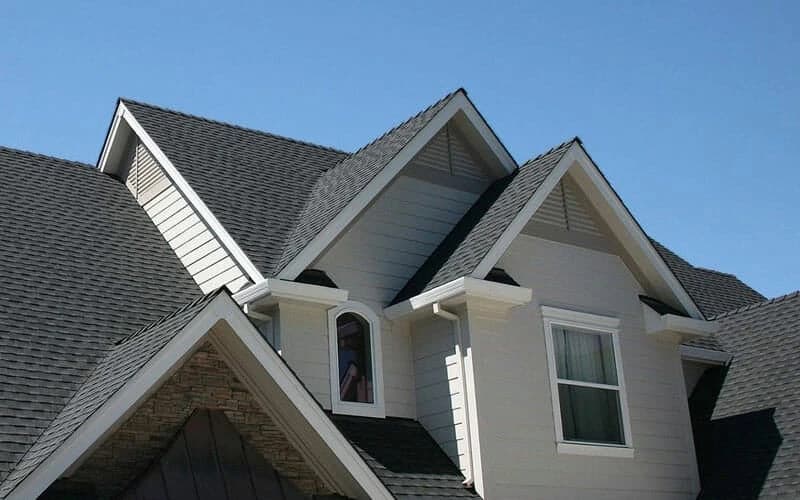
Completed asphalt shingle roof on a Central Texas home
Photo-led assessmentClear next steps
InsuredCurrent certificate available
Free inspectionPhotos and practical options
Written scopeKnow what is proposed
FinancingAvailable for qualifying projects

We serve homeowners across Lakeway, Lake Travis, and Greater Austin with free homeowner roof inspections, photo documentation, written scopes, and practical options. The goal is a clear decision without pressure or a one-size-fits-all package.

Whether the concern is a ceiling stain, storm damage, aging shingles, a metal-roof question, or routine upkeep, the first step is identifying what the roof needs now and what can wait.

Quick, practical answers

Residential roofing questions from Greater Austin homeowners

Start with the short answer, then use the full service guide to compare the details that apply to your property.

What does a residential roof inspection cover?

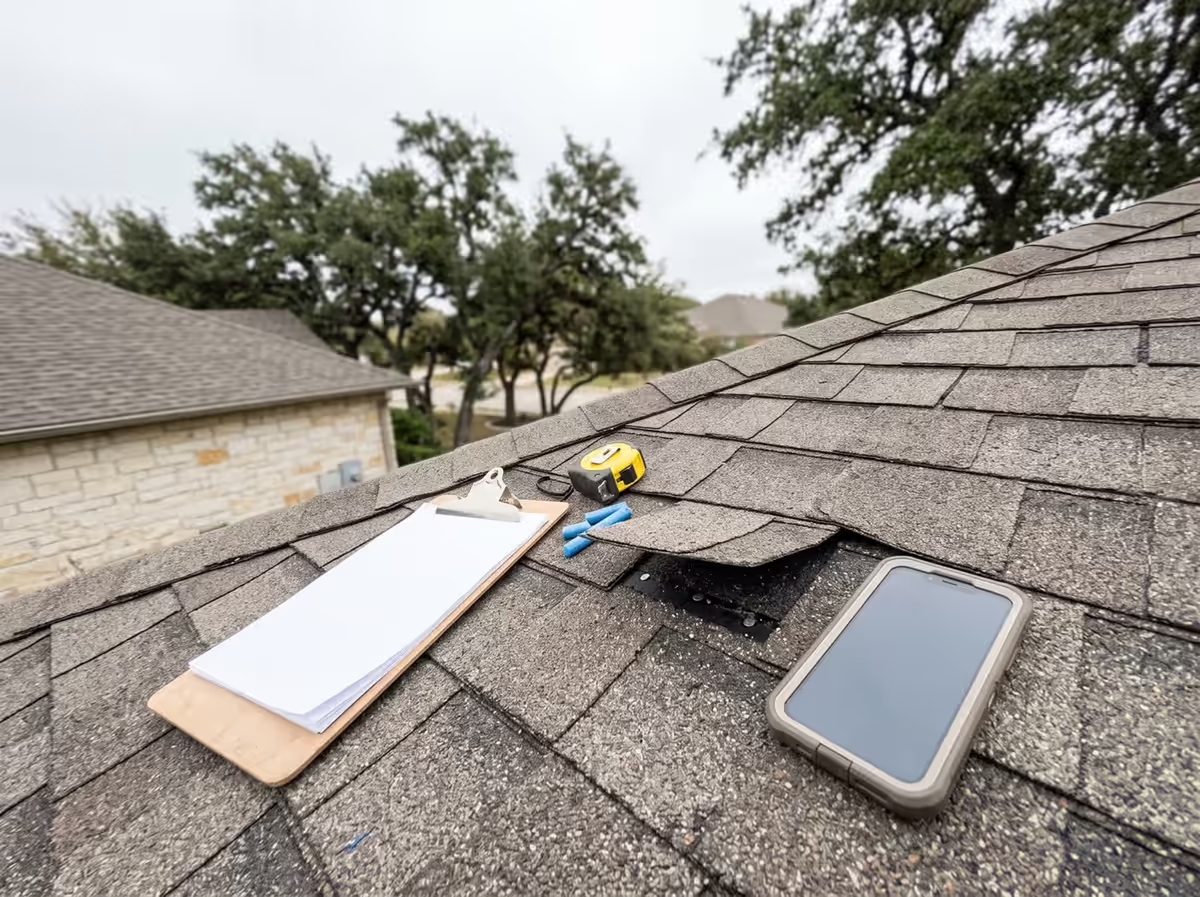
It reviews safely accessible roof surfaces, flashing, penetrations, valleys, edges, drainage, and relevant attic or interior indicators. Photos and a plain-language explanation connect the observations to practical next steps.

See the full inspection scope

Can a homeowner choose repair instead of replacement?

Yes, when the failure is localized and the surrounding system can accept a reliable repair. Broad wear, repeated leaks, moisture, or materials that no longer integrate cleanly can make replacement the stronger comparison.

Compare repair and replacement

Which residential roofing materials are handled?

Lakeway Roofing evaluates architectural and impact-resistant asphalt shingles, standing-seam and exposed-fastener metal, tile and mixed-material transitions, plus the underlayment, flashing, ventilation, and drainage details around them.

What should be written down before residential roofing work starts?

The scope should identify the work area, removal, materials, flashing and ventilation details, access, property protection, cleanup, responsibilities, and how hidden decking or other changes will be approved.

Start with evidence

What the inspection covers

We look beyond the most visible symptom so the recommendation reflects the roof system and the property around it.

Visible roof covering, ridges, valleys, edges, and drainage paths
Flashing at walls, chimneys, skylights, and roof transitions
Vents, pipe boots, fasteners, sealants, and penetrations
Accessible attic indicators such as staining, daylight, and airflow
Gutters and downspouts where drainage affects the roof edge
Photos and a plain-language explanation of practical next steps

Know when to call

When to schedule a residential roof inspection

A small change indoors or outside may be the first visible sign of a roof-system issue.

01

A ceiling stain, damp attic area, or leak after rain

02

Missing, lifted, cracked, or heavily worn shingles

03

Loose flashing, damaged vents, or aging pipe boots

04

Hail, high wind, or debris affected the property

05

Repairs have become more frequent or less reliable

06

You are planning a sale, purchase, renovation, or material change

Compare the options

A practical decision guide

Roof age is context, not a diagnosis. Condition, repairability, roof-system details, and the homeowner's priorities should drive the recommendation.

Repair may still be practical

  • The problem is isolated and the remaining roof is serviceable
  • No broad decking, ventilation, or flashing redesign is needed
  • The repaired area can integrate reliably with existing materials
  • Prior repairs have not become a repeating pattern

Replacement may be the stronger value

  • Wear or storm damage affects several slopes
  • Leaks recur in different parts of the roof
  • Materials are brittle or no longer repair cleanly
  • System-wide flashing, ventilation, or decking work is required

Materials and systems

Residential systems and details

Material choice matters, but the installation details around it matter just as much.

Architectural shingles

A practical residential system with coordinated starter, field, hip, ridge, flashing, and ventilation components.

Impact-resistant shingles

Options designed for stronger impact performance; homeowners should verify any policy implications directly with their carrier.

Standing-seam metal

A concealed-fastener option for homes suited to its appearance, roof geometry, and higher initial investment.

Roof-system details

Underlayment, flashing, intake and exhaust ventilation, edge metal, penetrations, and sound decking are scoped as one assembly.

Architectural and impact-resistant asphalt shingles
Standing-seam and exposed-fastener metal roofing
Tile and mixed-material roof transitions
Underlayment, edge metal, flashing, and ventilation
Skylight, chimney, wall, valley, and penetration details
Drainage, gutters, and roof-edge coordination

Homeowner decision resources

Use the guide that matches your next decision

Each topic has one canonical guide with direct answers, practical checklists, technical sources, and links to the relevant service.

From question to closeout

A clear residential roofing process

A documented inspection keeps each next step tied to what we can see, explain, and put in writing.

Inspection and documentation
  1. 01

    Inspect

    We assess the visible roof system and accessible supporting areas.

  2. 02

    Document

    Photos and plain-language notes explain the observed condition.

  3. 03

    Compare

    Repair, replacement, maintenance, and material options are discussed where relevant.

  4. 04

    Scope

    Any recommended work is documented before the homeowner approves it.

  5. 05

    Complete

    The approved work is performed, cleaned up, and checked before closeout.

No-pressure first step

Get the roof checked before choosing the fix.

Start with photos, plain-language findings, and a written scope if work is recommended.

Call (512) 270-8084

Scope and pricing

What shapes a residential roofing scope

Roof geometry, slope, access, material, the failed component, tear-off requirements, and exposed decking conditions all influence the work. A free inspection gives the estimate a factual starting point.

When storm damage may be involved, Lakeway Roofing can document observed roof conditions and prepare a roofing scope. The homeowner decides whether to contact a carrier and remains in control of that conversation.

Homeowner guidance

Residential roofing decisions in Central Texas

Repair and replacement are different tools

A localized failure can often be repaired when nearby material remains serviceable. Widespread wear, recurring leaks, soft decking, or damage across several slopes may make roof replacement the more practical comparison.

Storm observations need context

Hail and wind indicators should be compared with roof age, ordinary wear, and the affected components. Read our storm damage guidance before making a claim decision.

Google5.0Google rating

Homeowners share the whole experience.

See what customers say about the inspection, communication, and the recommendation they received.

Read homeowner reviews

Bryan and his team are very professional. Bryan called me to let me know when his team would come out to inspect my roof, and called me again to let me know he had to postpone because of the rain. Rather be safe than sorry. When his team showed up and completed the inspection, he told me that my roof looks fine and there is no damage due to the recent hailstorm in our area. I appreciate him very much.

My V.Google review

Straight answers

Residential Roofing FAQs

These answers explain the decision factors. The property inspection supplies the final context.

It covers the visible roof surface, flashing, penetrations, drainage, roof edges, and accessible attic indicators, followed by photos and practical next steps.

Yes, when the failure is localized and surrounding material remains serviceable. The inspection determines whether a repair can integrate reliably.

Decking hidden beneath the roof covering can only be fully confirmed after tear-off. Any additional work should be documented and approved before it proceeds.

No. A roofing inspection can document observed conditions first. You decide whether to contact your carrier, and Lakeway Roofing does not act as a public adjuster.

Financing is available for qualifying projects. Current application details are available on the financing page.

Clear answers start here

Request your free homeowner roof inspection

Tell us what you are noticing. We will help you choose the practical next step.

Call (512) 270-8084