Is a roof inspection free in Austin?
Yes. Lakeway Roofing provides free homeowner roof inspections across Austin, Lakeway, Lake Travis, and nearby Greater Austin communities with no obligation to approve work.
Lakeway Roofing | Greater Austin
A homeowner roof inspection should answer what the roof needs now, what can wait, and what could not be confirmed. That includes the possibility that no immediate roofing work is needed.
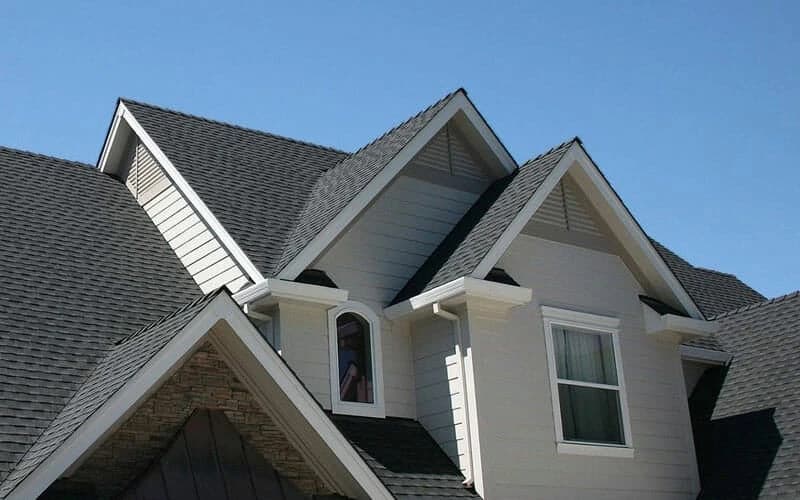
Lakeway Roofing reviews the visible roof covering, flashing, penetrations, edges, drainage, and accessible attic indicators, then explains the observations in plain language with photos.
If work is practical, the recommended scope is put in writing. The free inspection does not require the homeowner to authorize repair or replacement.
Quick, practical answers
Start with the short answer, then use the full service guide to compare the details that apply to your property.
Yes. Lakeway Roofing provides free homeowner roof inspections across Austin, Lakeway, Lake Travis, and nearby Greater Austin communities with no obligation to approve work.
The visit covers safely accessible roof surfaces, flashing, penetrations, drainage, roof edges, and relevant attic or interior indicators. We explain the photos and provide a written scope when work is recommended.
An inspection is useful when you see a ceiling stain, suspect a leak, notice missing material, or want documented roof observations after hail or wind. It helps separate a focused repair from broader roof-system concerns.
See storm damage guidanceStart with evidence
We look beyond the most visible symptom so the recommendation reflects the roof system and the property around it.
Know when to call
An inspection can create a useful baseline or investigate a specific concern.
A ceiling stain, damp attic area, or suspected leak
Hail, wind, debris, or heavy rain affected the property
Missing, lifted, cracked, or broadly worn material
A home purchase, sale, renovation, or replacement decision
A prior repair is showing new movement or water entry
You want a condition baseline before planning maintenance
Compare the options
A useful inspection should leave the homeowner with a clear answer, including when the honest answer is that no roofing work is needed now.
Materials and systems
The same roof-system review is adapted to the reason for the visit.
A practical overview for leaks, visible aging, property decisions, or questions about the next roof step.
Observed hail, wind, debris, and water-entry indicators are photographed without making insurance coverage decisions.
The inspection identifies whether a localized repair can integrate with the surrounding roof.
Roof-system condition, material choices, access, ventilation, and known scope factors are reviewed before estimating.
Inspection scope checklist
Use this checklist to compare what was actually observed, photographed, and explained before agreeing to repair or replacement work.
From question to closeout
A documented inspection keeps each next step tied to what we can see, explain, and put in writing.
We ask about leaks, weather, prior work, access, and the homeowner's immediate questions.
Roof edges, gutters, downspouts, visible slopes, and water movement are considered from safe access points.
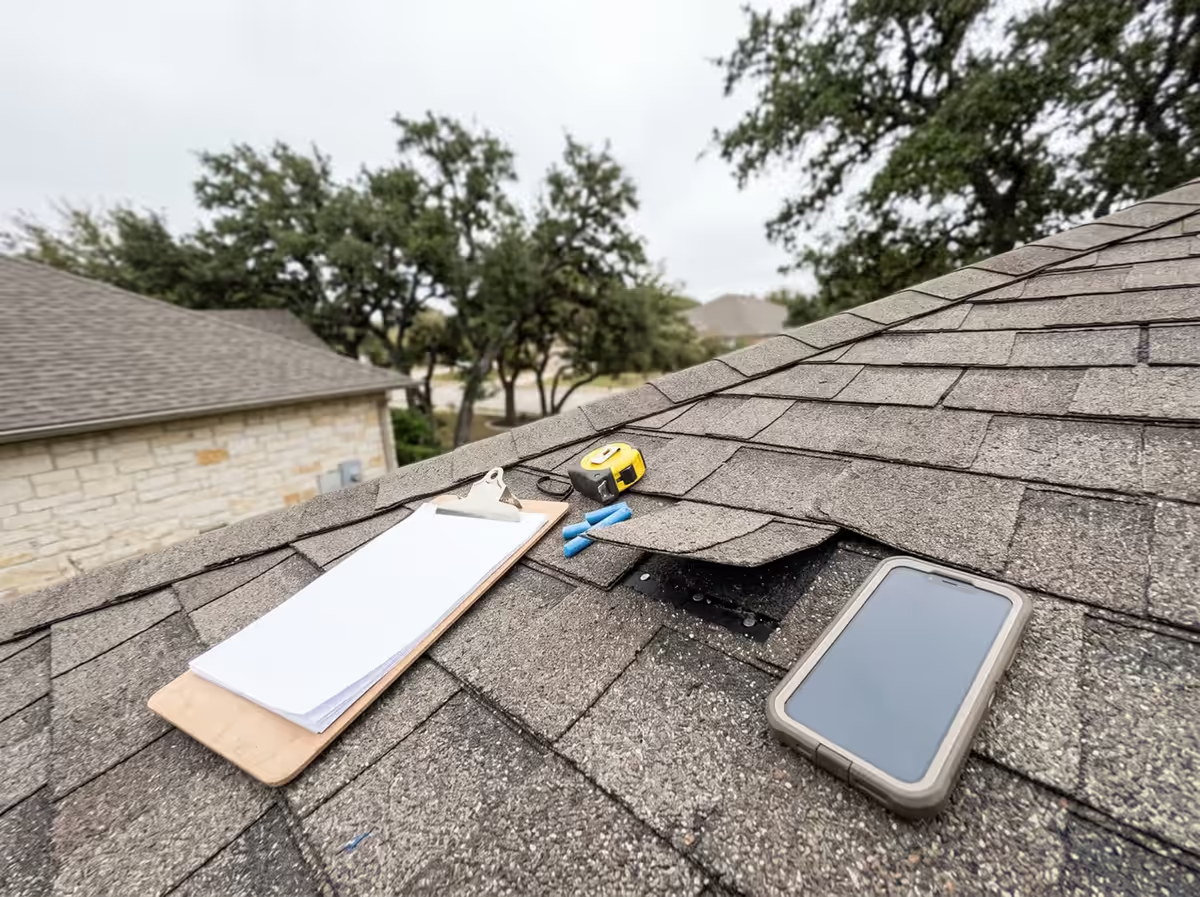
Accessible surfaces, ridges, valleys, flashing, penetrations, and transitions are photographed and assessed.
When access is available, staining, daylight, moisture indicators, and ventilation context are reviewed.
Photos and findings explain whether observation, maintenance, repair, replacement comparison, or no immediate work is appropriate.
No-pressure first step
Start with photos, plain-language findings, and a written scope if work is recommended.
Scope and pricing
The homeowner roof inspection is free and does not obligate the homeowner to schedule work. Access, weather, roof condition, and safety can limit what is inspected; those limitations should be explained.
If weather observations may be relevant to insurance, Lakeway Roofing documents roofing conditions only. Policy interpretation and coverage decisions remain with the homeowner and carrier.
Homeowner guidance
An image is useful when it identifies the component, location, observed condition, and practical significance. It should not be used to pressure a homeowner into a predetermined service.
Accessible underside conditions can help trace water and ventilation concerns, but not every deck area is visible. Hidden conditions may still require material removal to confirm.
All inspection requests resolve to the free homeowner roof inspection page, keeping one clear destination for scheduling and search ownership.
 5.0Google rating
See what customers say about the inspection, communication, and the recommendation they received.
Read homeowner reviews“Bryan and his team are very professional. Bryan called me to let me know when his team would come out to inspect my roof, and called me again to let me know he had to postpone because of the rain. Rather be safe than sorry. When his team showed up and completed the inspection, he told me that my roof looks fine and there is no damage due to the recent hailstorm in our area. I appreciate him very much.”
Straight answers
These answers explain the decision factors. The property inspection supplies the final context.
It covers accessible visible roof surfaces, ridges, valleys, edges, flashing, penetrations, drainage, and relevant attic or interior indicators, followed by photos and practical next steps.
Attic access is helpful when a leak, ventilation, or deck concern is involved, but not every inspection requires it. Tell the team about access limits when scheduling.
Yes. Relevant observations are documented with photos and explained in plain language. A written construction scope is provided when work is recommended.
No. The homeowner inspection is free and does not require approval of any work.
No. Some decking, underlayment, flashing, and enclosed areas cannot be fully confirmed without material removal. Inspection limitations should be stated clearly.
One provider, multiple areas served
Lakeway is our home base. These city pages describe areas served and local planning context, not separate offices.
Keep exploring
Clear answers start here
Tell us what you are noticing. We will help you choose the practical next step.
Start with a free homeowner inspection, photo notes, and a written path forward before you approve any work.
Free request • Local callback • No obligation