Lakeway Roofing

Lakeway Roofing | Greater Austin

Roof Maintenance for Lakeway and Greater Austin

Roof maintenance focuses on small, observable conditions before they become larger disruptions. Drainage restrictions, debris, exposed sealants, fasteners, seams, flashing, penetrations, and traffic areas can change gradually between major repairs.

Call (512) 270-8084
Rated 5 stars on GoogleFamily owned | Insured | Written scopes
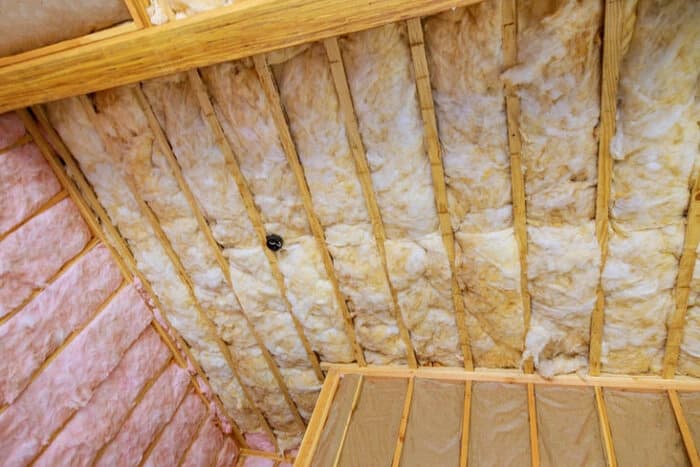
Accessible attic and roof framing during a maintenance inspection
Photo-led assessmentClear next steps
InsuredCurrent certificate available
Free inspectionPhotos and practical options
Written scopeKnow what is proposed
FinancingAvailable for qualifying projects

Lakeway Roofing offers residential and commercial condition reviews and custom maintenance scopes across Greater Austin. The practical cadence depends on the roof system, age, exposure, access, tree cover, rooftop traffic, and operating needs.

Maintenance can reduce preventable failures, but it cannot restore a roof that is already broadly deteriorated. Repairs outside the approved maintenance scope are documented and priced separately.

Start with evidence

What the inspection covers

We look beyond the most visible symptom so the recommendation reflects the roof system and the property around it.

Roof covering, seams, flashings, penetrations, and edge details
Debris accumulation and drainage restrictions
Sealant condition and minor maintenance points
Visible fastener, coating, membrane, or shingle changes
Accessible attic or interior indicators when relevant
Photo notes that create a condition history over time

Know when to call

When a maintenance plan may be useful

The need and visit cadence should be based on the property rather than a generic package.

01

Debris or tree cover repeatedly affects valleys, drains, or roof surfaces

02

Sealants, exposed fasteners, seams, or flashing need periodic review

03

A commercial roof has drains, equipment, or regular rooftop traffic

04

Prior repairs need a consistent photo history

05

The property owner cannot inspect exterior conditions regularly

06

A baseline would help distinguish new change from existing wear

Compare the options

A practical decision guide

Maintenance can reduce preventable failures, but it cannot restore a roof system that is already broadly deteriorated.

Maintenance may be enough

  • The system remains serviceable with small maintenance items
  • Drainage or debris is creating avoidable stress
  • Sealants or exposed details need routine attention
  • A documented baseline will help track future change

Repair should be scoped

  • A seam, flashing, penetration, or material has failed
  • Moisture evidence extends below the surface
  • Repeated maintenance no longer controls the same issue
  • A larger corrective action will better protect the system

Materials and systems

Maintenance by roof system

The checklist changes with the roof assembly and property use.

Residential upkeep

Periodic checks focus on drainage, debris, penetrations, flashing, sealants, and changes since the prior visit.

Commercial maintenance

Low-slope roofs benefit from repeatable inspection of drains, seams, penetrations, traffic areas, and rooftop equipment interfaces.

Post-weather check

A condition review after significant weather can document changes before they become interior disruptions.

Photo history

Consistent notes make it easier to distinguish a new condition from normal aging and prior repairs.

Residential shingles, ridges, valleys, edges, and penetrations
Standing-seam and exposed-fastener metal details
Low-slope membranes, seams, drains, scuppers, and curbs
Flashing, sealants, fasteners, and prior repair areas
Debris and drainage conditions within the approved scope
Repeatable photo notes for condition comparison

From question to closeout

A practical maintenance visit

  1. 01

    Set the scope

    Roof type, condition, access, drainage, exposure, and operating needs define the visit.

  2. 02

    Inspect

    Roof covering or membrane, seams, flashing, penetrations, edges, drains, and traffic areas are reviewed.

  3. 03

    Maintain

    Only maintenance items included in the approved written scope are completed during the visit.

  4. 04

    Document

    Photos and notes create a condition record and identify changes from prior visits when available.

  5. 05

    Quote corrections

    Repair or replacement work outside the maintenance scope is explained and quoted before authorization.

Scope and pricing

How maintenance is scoped and priced

Roof area, system, slope, access, visit cadence, debris, rooftop equipment, and the approved maintenance tasks all affect pricing. Each program or visit is quoted to the property.

A photo history can help track roof condition, but it does not guarantee service life, prevent every leak, preserve a manufacturer program automatically, or determine insurance coverage.

Homeowner guidance

Maintenance works best as a repeatable condition check

Drainage is part of the roof

Valleys, gutters, drains, scuppers, and discharge routes influence how long water remains near seams and details. A maintenance review should follow that path.

Small details deserve consistent photos

Pipe boots, sealants, fasteners, seams, penetrations, and prior repairs can change gradually. Similar photo angles make those changes easier to compare.

Know when maintenance becomes repair

Open seams, failed flashing, moisture, displaced material, or repeated leakage require a corrective scope. Maintenance should not be used to disguise a broader failure.

Rated 5 stars on Google

Read the homeowner feedback behind the rating, including repairs, replacements, communication, and project closeout.

Read homeowner reviews

Lakeway Roofing is hands down the best roofing services provider in the area! If you're searching for roofing services near me, look no further. This top-rated roofing company exceeded my expectations with their expertise and dedication.

Chris Castaldini | Google review

Straight answers

Roof Maintenance FAQs

These answers explain the decision factors. The property inspection supplies the final context.

The right cadence depends on the roof system, condition, exposure, drainage, rooftop traffic, tree cover, and property risk. A baseline inspection can establish a practical schedule.

The written scope may include condition review, drainage or debris items, selected sealant or fastener tasks, and photo documentation. Included work should be defined before the visit.

No. Maintenance can reduce preventable failures and identify change, but severe weather, hidden conditions, aging, and unexpected component failures can still cause leaks.

No. A failed seam, flashing, penetration, material, or wet assembly needs a corrective scope. Maintenance is for serviceable systems and defined upkeep tasks.

Yes. Low-slope systems often require attention to drains, seams, curbs, penetrations, traffic areas, edge details, rooftop equipment interfaces, and signs of trapped moisture.

Clear answers start here

Request your free homeowner roof inspection

Tell us what you are noticing. We will help you choose the practical next step.

Call (512) 270-8084