A roof replacement is active construction above and around your home. A short preparation checklist protects belongings, gives the crew clear access, and makes the project easier for everyone on the property.
Confirm the scope before work begins
Review the written scope, selected material, access plan, expected start window, payment schedule, and project contact. Ask how hidden decking conditions will be photographed, priced, and approved if they appear after tear-off.
Clear the driveway and access points
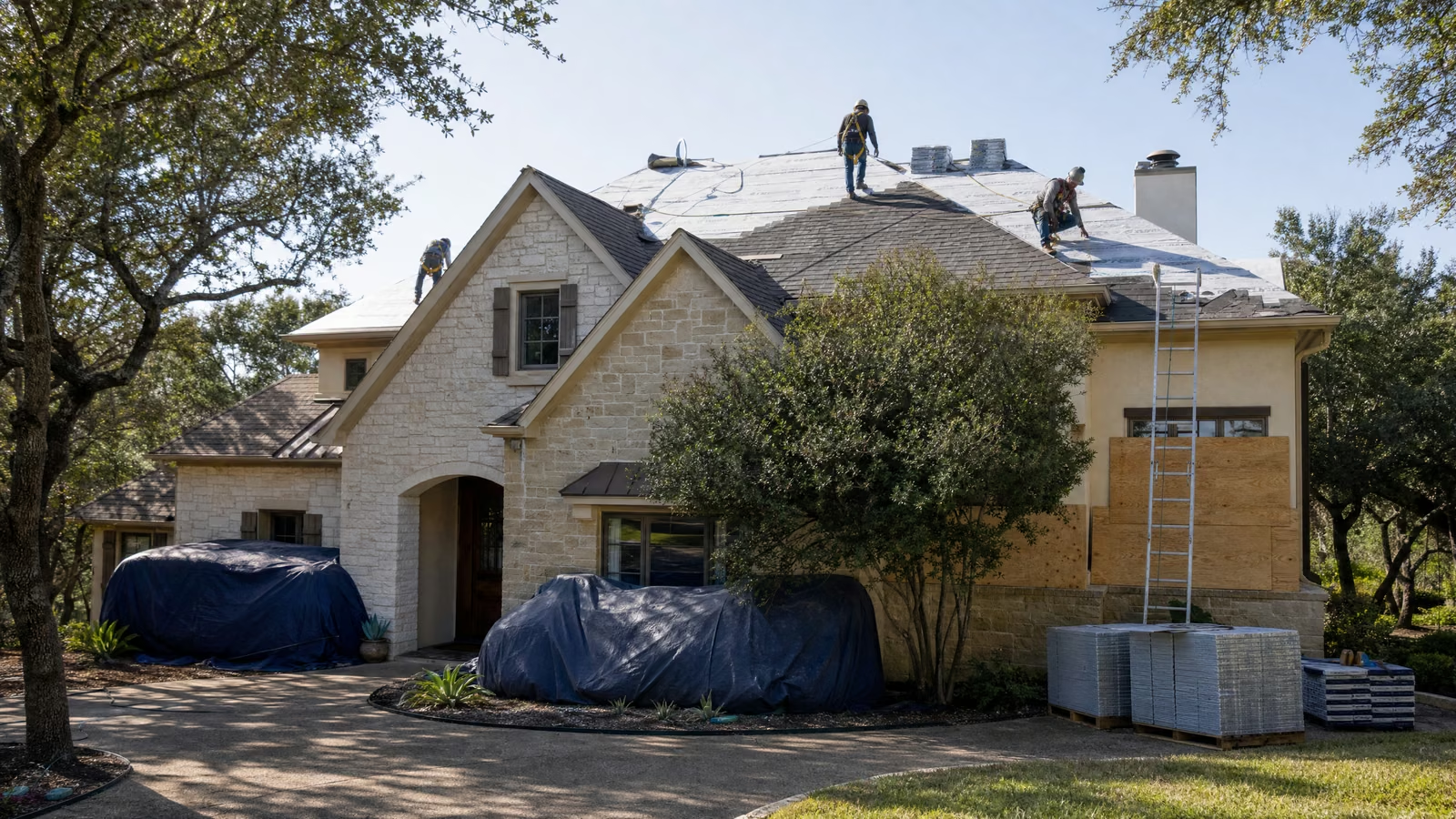
Move vehicles, trailers, and portable equipment away from the house. The crew may need the driveway for delivery, debris handling, or safe access. Confirm gate access and identify irrigation controls, low branches, septic components, delicate paving, or other property features that may not be obvious.
Prepare the outside of the home
- Move patio furniture, grills, toys, and fragile planters away from exterior walls.
- Remove hanging decorations and secure items on porches and decks.
- Discuss protection for landscaping, windows, pools, condensers, and specialty surfaces.
- Mow tall grass shortly before the project so exposed fasteners are easier to find during cleanup.
Protect the attic and interior
Tear-off and installation create vibration. Remove fragile items from upper-floor shelves and walls. Cover stored attic belongings because dust or small debris can pass through deck gaps. Tell the project contact about alarm sensors, attic equipment, or areas that should not be entered.
Plan for children, pets, and noise
Roof work is loud and the yard becomes an active construction zone. Keep children and pets away from exterior doors used by the crew. If an animal is sensitive to impact noise, arrange another location for the day and identify gates that must remain closed.
Expect weather and delivery changes
Central Texas weather can change quickly. Tear-off may be delayed when rain, lightning, heat, or wind creates an unsafe condition. Confirm how updates will be communicated and keep your phone available during the work window.
Review cleanup and the final inspection
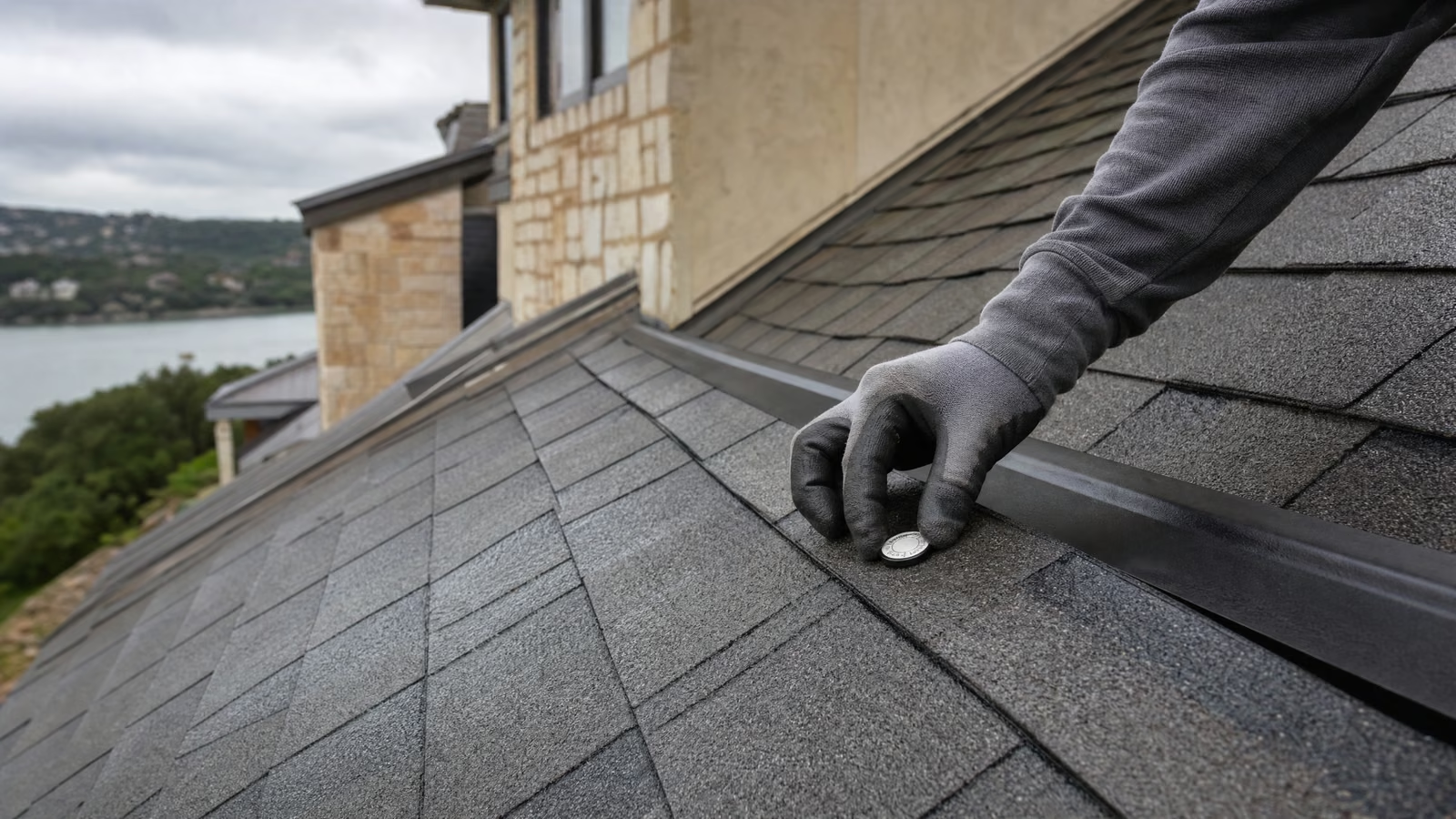
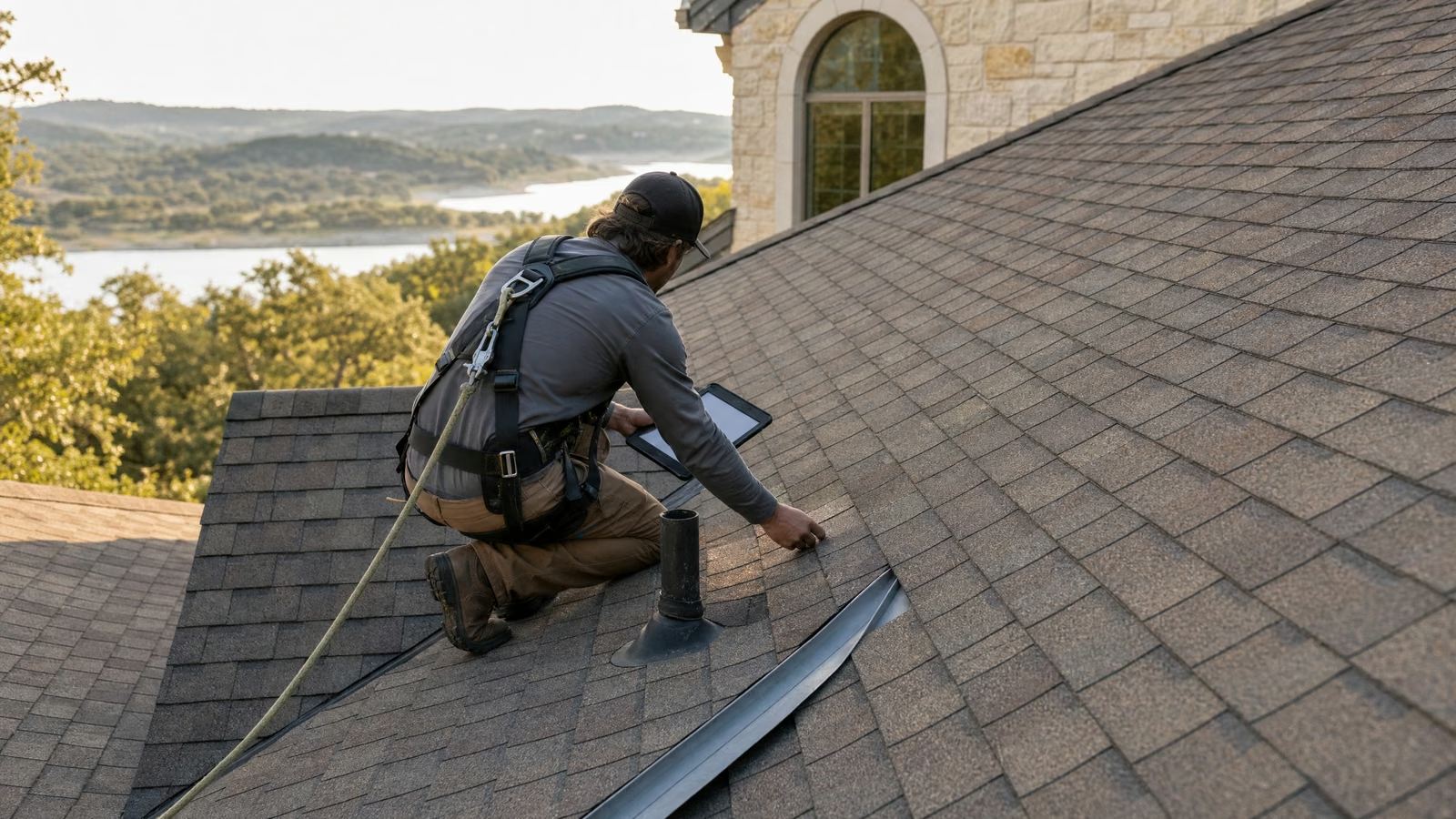
Closeout should address the roof, gutters, driveway, walkways, and work areas. Magnetic sweeps help collect exposed fasteners, but shoes should remain on outside until the final walkthrough is complete. Review flashing, vents, penetrations, material transitions, and any documented decking replacement.
Keep the final invoice, material records, permits when applicable, photos, and approved changes with your home records. Review the roof replacement process or request a free homeowner roof inspection when you are ready to plan the project.
Homeowner decision resources
Use the guide that matches your next decision
Each topic has one canonical guide with direct answers, practical checklists, technical sources, and links to the relevant service.
Technical sources
These references support the technical review. Roofing and policy decisions still depend on the specific property, product documentation, and current policy language.